

Design Systems in 2026: From Components to Living Infrastructure
Issue #49

Welcome to the first edition of Design Systems Collective in 2026. As we step into a new year, it feels like the perfect moment to reflect on how design systems are evolving — from tools for consistency to living infrastructure that shapes how teams scale, products evolve and organisations adapt to AI‑driven workflows.
This issue brings together voices that sit right at that intersection. From design language systems and agentic governance to deeply practical automation and documentation strategies, the articles featured this week reflect a clear shift in the discipline. We are seeing design systems move from supportive tooling to operational backbone.
Alongside this, our Design System Leaders series continues to dig into how experienced practitioners think about longevity, influence and real world constraints. Whether you are refining foundations, rethinking documentation, or preparing your system for what comes next, there is something here to challenge and inform your thinking.
Let’s dive in.
In this issue
🎙️Design System Leaders
📚 Featured Articles
📰 Published in the Last Week
📝 Closing Thoughts
🎙️ Design System Leaders

More design system leader interviews are coming very soon, we’ve been chatting to Sil Bormüller, founder at Into Design Systems and Design Systems guru Nathan Curtis. Make sure you have subscribed to the newsletter so you don’t miss out when these get published.
In the meantime, go check out our other interviews in our Design System Leaders interview series. We recently spoke to Jon Sukarangsan, Davy Fung and Brad Frost.
📚 Featured Articles
Must-read articles at www.designsystemscollective.com.
💡 Have an article to share? Submit it here!
Beyond Components: From Design System to Design Language System by Oleg Ivanov
Why We Like It: A rigorous, practice‑first manifesto for turning a component kit into a resilient, framework‑agnostic language, full of architecture, token strategy and governance you can act on.
Perfect For: This longform playbook lays out the DLS approach with concrete examples and acceptance criteria: read it to learn how to make DOM + tokens your contract, ship thin adapters, and bake governance into CI so your system survives rebrands and framework changes.
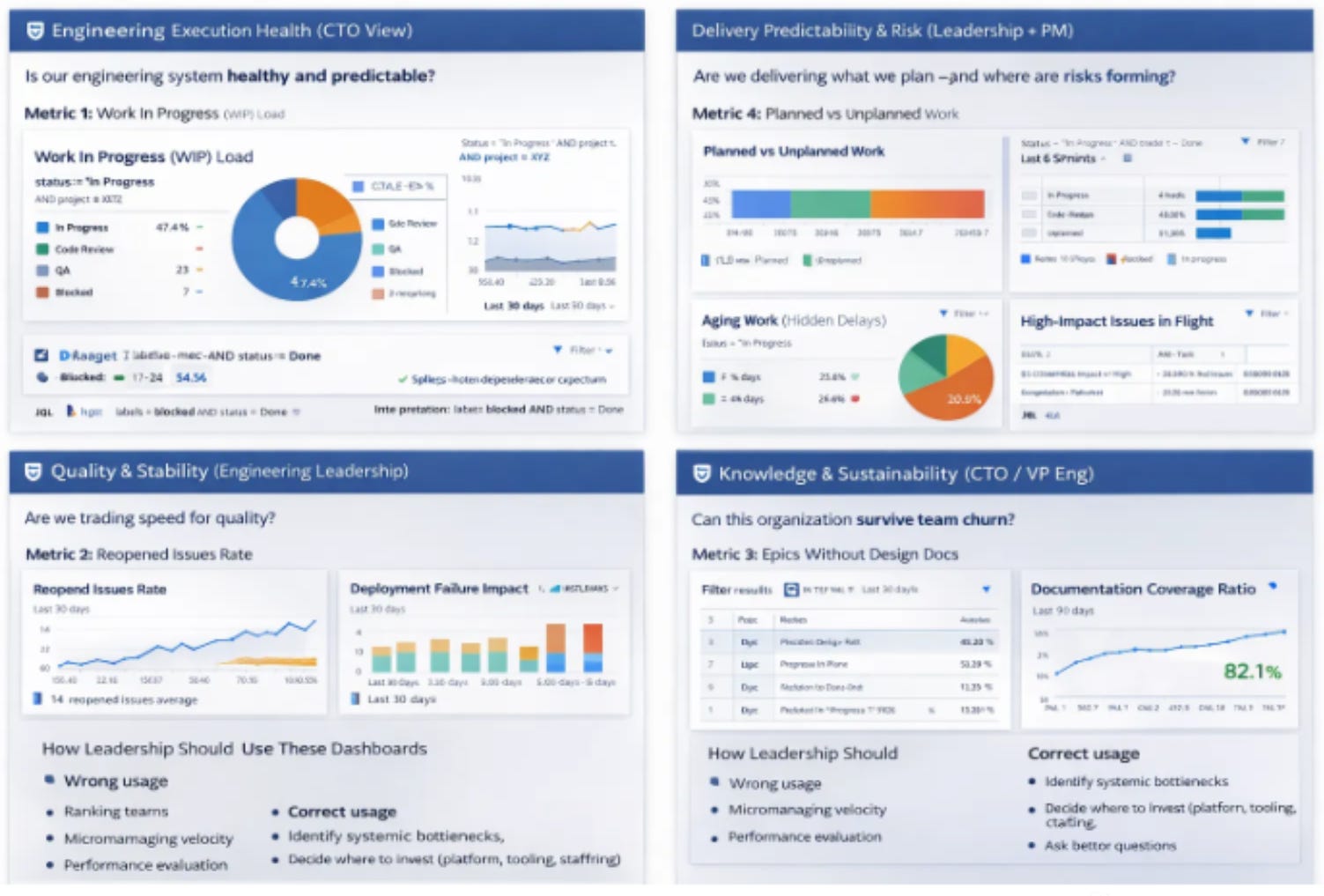
Atlassian Jira Automation Confluence Documentation and Product Management Tools by Shristy Joshi Thakur
Why We Like It: A highly practical, systems‑level treatment of Jira and Confluence as organisational infrastructure, not just ticketing tools, with ready‑to‑use automations, JQL and dashboard templates.
Pro Tip: Use this as an implementation cookbook: it gives event‑driven automation rules, CI/CD feedback loops into Jira, leadership dashboards and exact JQL, everything a Staff Engineer or CTO can copy into their instance to reduce coordination cost and improve predictability.

Towards an agentic design system by Cristian Morales Achiardi
Why We Like It: A measured, data‑backed experiment showing how machine‑readable metadata and index protocols let AI move from consumer to maintainer of a design system.
Don’t Miss: The article benchmarks real gains — faster, repeatable audits and adoption reports — and shows how metadata, a codebase index and query protocols unlock self‑healing audits and automated governance at almost no token cost.

Design system documentation as structured metadata by Cristian Morales Achiardi
Why We Like It: A practical blueprint for making component guidance machine‑readable so LLMs and automation can obey usage rules and avoid anti‑patterns.
Pro Tip: Treat the metadata as a first‑class artifact: include usage, anti‑patterns, AI hints and accessibility notes alongside code. This lets agents choose correct components, validate outputs and generate safe, on‑system code.
📰 Published Recently
To stay updated on the latest articles, we share every new article on our LinkedIn page.
👉 Cracking Design Foundations, Primitives, Semantic Tokens, and Beyond by Pir Ahmed
👉 Beyond Components: From Design System to Design Language System by Oleg Ivanov
👉 Emergent Creativity and the Idea of AI as Theft by Matt Lambert
👉 Tailwind CSS for Designers by Lindsey Norberg
👉 Atomic Design Schema by Deeneesh
👉 Stop Building Perfect Figma Screens. Start Building Real Prototypes. by mischa.dev
👉 UI Patterns: The Backbone of Scalable Design Systems by Deeneesh
👉 When Should Your Engineering Team Invest in a Design System Tool? by Supernova
👉 From Prototype to Product: How Design Systems Prevent the Vibe Coding Pitfalls by Supernova
👉 Struggled with Material 3 Theme Modes — So You Don’t Have To by Vedant
👉 How to Choose a Design System Platform by Supernova
👉 Design System Is a Culture by Masaya Takizawa
👉 Atlassian: Jira Automation, Confluence Documentation, and Product Management Tools by Shristy Joshi Thakur
👉 CoverMe: How We Built One Design System That Brands Itself by Nick McLoota
👉 From Pixels to Prompts: Architecting Intent in the Age of Generative UI by Naveen Ithappu
👉 Good Design Doesn’t Happen by Default by Pir Ahmed
👉 Intent-Driven Context for AI Design Systems by Diana Wolosin
👉 What Changes When a Design System Moves from “Useful” to “Relied On” by Tina Singh
👉 Your Design System Won’t Work Without Prioritisation by Tina Singh
👉 The Superpower of Product Designers in the Age of Design Systems and AI by Katrina Levenets
👉 Design Systems Are No Longer Optional — They Decide How Fast Teams Scale by Sowjanya
👉 Towards an Agentic Design System by Cristian Morales Achiardi
👉 Stop Policing Your Design System by Murphy Trueman
👉 What Component Detaching Taught Me About System Gaps by Tina Singh
👉 Color as Strategy: Building Systems with Intent by Ivy Hannu
👉 The End of the Pixel-Perfect Grind: How AI Agents Are Rewriting Design Systems by Rakshithrhavali
👉 The Future of Enterprise Design Systems: 2026 Trends and Tools for Success by Supernova
👉 Design System Documentation as Structured Metadata by Cristian Morales Achiardi
📝 Closing Thoughts
Design systems mature when they are relied on, not just admired. Across this issue, a consistent theme emerges: clarity beats perfection, and systems thrive when they are designed to be understood by both humans and machines.
If one thing stands out, it is the importance of intent. Intent in tokens, intent in documentation, intent in governance, and intent in how we choose to evolve our systems over time. As AI becomes a more active participant in design and development, that intent is no longer optional.
Thank you for reading, sharing and contributing to Design Systems Collective. Your articles, conversations and insights are what keep this community thoughtful, practical and forward looking.
Founding Editor, Design Systems Collective